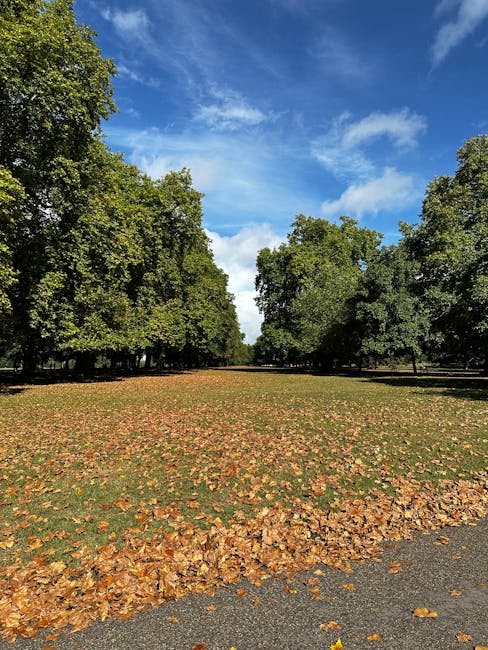
Ladbroke Grove garden clearance and gardeners near the station: a practical local guide
If you live or work around Ladbroke Grove station, you probably know how quickly a garden can go from "nearly there" to "where do I even begin?" One wet week, a few overgrown borders, a broken bag of cuttings, maybe a stubborn hedge, and suddenly the whole space feels heavier than it should. That is exactly where Ladbroke Grove garden clearance and gardeners near the station come in: fast, local help that gets your outdoor space back into shape without turning the job into a weekend that never ends.
This guide breaks down what garden clearance involves, how local gardeners usually work, what good results look like, and how to choose the right help for your space. If you are planning a one-off tidy-up, a bigger refresh, or ongoing care, you will find the practical bits here. And yes, we will keep it grounded and useful, not fluffy.
Why Ladbroke Grove garden clearance and gardeners near the station Matters
A garden near a busy station area has its own rhythm. There is foot traffic, tighter access in many terraces and flats, limited storage, and often less time to deal with outdoor maintenance than people expect. That makes clearance work more than a cosmetic job. It is often about restoring usability, reducing clutter, and making sure the space does not become a nuisance or a safety issue.
In our experience, people usually search for help when the garden has crossed a line. Weeds have spread into paving, old pots are piled in a corner, branches are dragging on the fence, or there is a patch of bramble that has quietly taken over. You can ignore that for a while. Then one day, it starts blocking light, attracting pests, or making the garden awkward to use. Truth be told, that is the point where a local gardener stops being a luxury and starts being the sensible option.
For residents near Ladbroke Grove station, local knowledge matters too. Access can be tricky, parking can take planning, and work often has to be done efficiently and respectfully. A gardener who understands the area is usually better placed to handle those small realities without drama. Not glamorous, but very useful.
Practical takeaway: clearance is not just about removing waste; it is about making the whole garden safer, easier to maintain, and actually pleasant to step into again.
How Ladbroke Grove garden clearance and gardeners near the station Works
Garden clearance usually starts with a quick assessment. A good gardener will look at what needs removing, what can stay, what needs cutting back, and whether there are any access or waste-disposal issues to plan for. That first look matters more than people think. A small front garden with light weeding is very different from a back yard full of old timber, dense shrubs, and tangled roots.
The work often falls into a few broad stages:
- Assessment and scope - identifying the size of the job, the type of waste, and any safety concerns.
- Clearance and pruning - removing dead growth, cutting back overgrowth, and opening up paths or borders.
- Sorting green waste - separating organic material from items that need special disposal.
- Final tidy-up - sweeping, raking, and leaving the space ready for use or for the next phase of work.
Depending on the garden, the job may also include lawn mowing, hedge trimming, tree work, fence repair, or a deeper reset. For example, if your shrubs are pushing into the path and the lawn has thinned out underneath, a combination of hedge trimming support and professional lawn mowing may be the best way to get the space back under control.
Sometimes the work is straightforward. Sometimes it is a bit of a beast. There is usually a moment, halfway through, when the garden starts to breathe again. That is a good sign.
Key Benefits and Practical Advantages
The obvious benefit is that your garden looks better. But the real value is wider than that. Clearance work can change how you use the space day to day, especially in a compact London setting where every square metre counts.
- Better access: paths, doors, and side returns become easier to use.
- More light: cutting back growth often helps lower floors and small gardens feel less cramped.
- Reduced maintenance pressure: once the excess is gone, regular care is simpler and quicker.
- Safer surfaces: loose debris, hidden trip hazards, and unstable branches can be dealt with.
- Improved kerb appeal: a neat front or rear garden makes a home feel cared for.
- Better planning: once clutter is removed, it is easier to see what the garden actually needs.
There is also a quieter benefit: mental space. A neglected garden can nag at you every time you look out the window. Clearing it changes that. It sounds a bit dramatic, maybe, but it is true. The garden stops asking for attention in the wrong way.
If your outdoor space needs more than a simple tidy-up, it can help to think beyond clearance and into maintenance, layout, and long-term usability. A broader service such as regular garden maintenance or careful landscaping can make the results last much longer.
Who This Is For and When It Makes Sense
Garden clearance near Ladbroke Grove station makes sense for a lot of people, not just homeowners with a jungle at the back. It is especially useful if you have one of these situations:
- You have just moved into a property and the garden needs a reset.
- You are preparing to rent or sell and want the outdoor area to look presentable.
- You have been away for a while and the garden has run away from you a bit.
- You are dealing with seasonal debris after storms, leaf fall, or heavy growth.
- You want to redesign the space and need a clean starting point.
- You have limited time and want the basics handled properly.
It also suits landlords, managing agents, and busy households where the garden must stay usable without becoming another full-time project. To be fair, not everyone wants a "perfect" garden. Many people just want a tidy, workable, low-stress one. That is a perfectly reasonable goal.
If you are trying to make a garden easier to live with on a modest budget, it can help to look at practical, low-fuss ideas as well. Articles like easy-care gardening on a budget and first moves in refreshing a forgotten garden space are useful companions to the clearance process.
Step-by-Step Guidance
If you are organising a clearance or doing part of it yourself before a gardener arrives, here is the most sensible order of operations. It saves time and avoids the classic "move the pile three times" problem. We have all seen that one.
- Walk the space slowly. Note what is actually waste, what is reusable, and what should be kept.
- Separate the obvious categories. Put branches, green waste, broken pots, old timber, and general rubbish into distinct groups if possible.
- Protect plants you want to keep. Mark them out so they are not accidentally cut back too hard.
- Start with access routes. Clear paths, gates, and doors first. That makes every other task easier.
- Cut back in layers. Do not try to remove everything at once. Tackle the garden in sections.
- Check for hidden problems. Look for damaged fencing, soil erosion, or signs of disease in shrubs and trees.
- Finish with a full tidy. Rake, sweep, bag up debris, and do one last look from the house and the gate.
If there are larger branches, tall shrubs, or a tree that is clearly beyond a simple trim, bring in the right specialist rather than forcing it. A proper tree surgery service is the safer route when size, height, or decay becomes an issue.
One small but important point: if you are clearing around a patio, do not leave it until the end. Once the garden waste is gone, surfaces usually become the next thing people notice. A quick pass with patio cleaning support can make the whole outdoor area feel finished, not just emptied.
Expert Tips for Better Results
There are a few habits that consistently improve the result. None of them are fancy. They just stop avoidable headaches.
Clear with the end use in mind
Ask yourself what you want the garden to do after the clearance. Relaxing space? Safe play area? Room for planting? Storage? The answer changes what should be removed and what should be kept.
Do not overcut healthy growth
It is easy to get enthusiastic when a plant looks unruly. But overcutting can leave gaps, expose bare stems, or weaken the plant. Better to remove in stages unless the issue is obvious deadwood or severe congestion.
Think seasonally
Late autumn and winter often reveal the bones of a garden. Summer can hide a lot. If you clear the space in the cooler months, you see what is really going on. That said, spring tidy-ups have their own rhythm too, and sometimes they are exactly what is needed.
Keep the waste path simple
In compact London gardens, waste handling can become the bottleneck. Plan where bags, branches, and bulky items will go before you start. It sounds mundane. It saves time.
Pair clearance with maintenance
For lasting results, a one-off clear often works best alongside ongoing care such as lawn care or scheduled garden upkeep. Otherwise, the same issues tend to creep back in. Gardeners know this, and honestly, it is just the nature of plants being plants.
Common Mistakes to Avoid
A garden clearance can go wrong in surprisingly ordinary ways. Most problems are avoidable, which is the good news.
- Removing everything at once and then realising you have also taken away structure and shade.
- Ignoring access constraints such as narrow side passages, shared entrances, or parking limits.
- Mixing waste types together and making disposal harder than it needs to be.
- Using the wrong tools and tearing plants instead of cutting cleanly.
- Forgetting about nesting or habitat areas when the garden has been partly wild for a while.
- Leaving fences, decking, or paths unchecked after clearing the plants around them.
One slightly sneaky mistake is assuming clearance is always cheaper than maintenance. Sometimes the opposite happens. Let a garden go for too long and the job becomes much bigger, with more labour, more waste, and more time. A little regular attention is generally kinder on the wallet and the nerves.
Tools, Resources and Recommendations
You do not need a truck full of machinery for every job, but the right tools matter. For smaller clearances, a good pair of gloves, secateurs, loppers, a rake, sturdy bags, and a sharp pruning saw may cover the basics. For heavier work, larger cutting tools, wheelbarrows, and proper waste handling quickly become necessary.
For better outcomes, the most useful "resource" is a clear plan. That may sound obvious, but a lot of poor garden jobs start with enthusiasm and no order. A few simple recommendations help:
- Take before photos so you can track progress and remember what the space looked like.
- Sort waste as you go instead of building one giant mixed pile.
- Keep a note of plants you want to save or reshape later.
- Use durable bags and bins for smaller material so the tidy-up is not doubled.
- Consider whether the garden would benefit from new structure, such as fencing or a refreshed seating area.
If the clearance reveals that the garden needs stronger boundaries, a new fence or repair work can be a smart follow-up. If the space includes a terrace, deck, or raised area, then decking services may be worth thinking about once the clutter is gone.
Law, Compliance, Standards, or Best Practice
For most domestic garden clearance jobs, the key issue is not paperwork, it is safe and responsible practice. That said, there are a few sensible standards to follow in the UK.
First, waste should be handled properly. Garden waste, timber, soil, and household rubbish are not all the same thing, and they should not be treated as if they are. A professional gardener or clearance team should know how to separate materials and dispose of them responsibly. If you are doing it yourself, avoid fly-tipping temptations and use legitimate disposal routes.
Second, if work involves trees, high hedges, or anything close to a boundary, be careful. Shared boundaries can be sensitive, and overcutting can create disputes. Keep things neighbourly where you can. A quick conversation usually solves more than people expect.
Third, any substantial cutting of trees or structural garden features should be approached with safety in mind. If a job is beyond basic pruning, it is better to use experienced help than to improvise. No one wants a Saturday drama involving a ladder, a saw, and a branch that had other ideas.
Finally, best practice means leaving the site tidy, protecting retained plants, and not damaging paving, fencing, or drainage. Good garden work is not only about what gets removed. It is also about what is left in better condition than before.
Options, Methods, or Comparison Table
Depending on the state of your garden, you may be deciding between a light tidy, a full clearance, or a mixed approach. Here is a simple comparison.
| Method | Best for | What it includes | Typical outcome |
|---|---|---|---|
| Light tidy-up | Small gardens with routine buildup | Weeding, raking, minor cutting back, waste bagging | Neater space, faster turnaround |
| Full garden clearance | Overgrown or neglected spaces | Heavy cut-back, removal of debris, waste clearance, basic reset | Space becomes usable again |
| Clearance plus maintenance | Owners who want lasting control | Clearance followed by mowing, hedge work, and scheduled care | Cleaner garden for longer |
| Clearance plus redesign | People planning a refresh or upgrade | Removal of old growth, then landscaping or replanting | New layout and better function |
The mixed approach is often the smartest. It avoids the "beautiful for one week" effect. After all, what is the point of a reset if the garden falls back into chaos by next month?
Case Study or Real-World Example
Here is a realistic example. A small back garden near Ladbroke Grove station had become a bit of a catch-all space: broken planters by the wall, a hedge that had outgrown its shape, weeds creeping between slabs, and a lawn that was more moss than grass in the corners. The owner did not want a full redesign. They just wanted the place to feel like part of the home again.
The job started with clearance. First came access: the path to the back gate was opened up, then the heavy green waste was removed. The hedge was cut back carefully rather than hacked down, because it still offered privacy. The patio was then cleaned so the newly cleared space looked intentional rather than empty. Finally, the lawn was tidied and the borders were left ready for later planting.
The biggest change was not dramatic, actually. It was subtle. The garden felt wider, lighter, and quieter. The owner could see the whole space in one glance, which is a funny little moment but a powerful one. Once you can see the structure again, it becomes easier to decide what comes next.
That is why clearance works best when it is treated as the first step in a sequence, not the whole story. You clear, assess, then improve. Simple enough, but easy to forget in the middle of the mess.
Practical Checklist
Use this checklist before booking or starting a clearance job near Ladbroke Grove station.
- Identify whether the job is light tidy-up, full clearance, or both.
- List any plants, shrubs, or features you want to keep.
- Check access points, parking, and waste storage space.
- Decide if hedge trimming, mowing, tree work, or fencing repairs are also needed.
- Remove or secure valuables, furniture, and fragile items from the garden.
- Take photos of the garden before work begins.
- Ask how waste will be handled and whether sorting is included.
- Confirm whether patio, decking, or lawn care should follow the clearance.
- Plan any follow-up maintenance so the space does not slip back.
- Think about your end goal: tidy, usable, private, child-friendly, pet-safe, or low-maintenance.
And one more small thing: if your garden has become a store room with plants in it, you are not alone. Happens more often than people admit.
Get a free quote today and see how much you can save.
Conclusion
Ladbroke Grove garden clearance and gardeners near the station are about more than cutting things back. They are about making outdoor space useful again, and doing it in a way that fits real London living: limited time, awkward access, changing seasons, and gardens that need sensible care rather than heroic efforts.
The best results usually come from clear planning, careful waste handling, and a realistic sense of what the space needs next. Sometimes that means a simple tidy. Sometimes it means follow-on maintenance, hedge work, or a more thoughtful redesign. Either way, the payoff is the same: a garden that feels easier to live with.
If your outdoor area has been quietly asking for attention, this is a very decent moment to answer it. Not perfectly. Just properly.
Frequently Asked Questions
What does garden clearance usually include?
Garden clearance usually covers removal of overgrowth, weeds, leaves, cuttings, broken plant material, and general outdoor clutter. It may also include light pruning, path clearing, and tidying up the space so it is usable again.
How is clearance different from regular garden maintenance?
Clearance is usually a bigger reset job, often for neglected or overgrown gardens. Maintenance is the ongoing care that keeps things under control after the main work has been done.
Can gardeners near Ladbroke Grove station handle tight access?
Yes, local gardeners often work with narrow side passages, small yards, and limited parking. It is still worth mentioning access details in advance so the job can be planned properly.
Do I need a full clearance or just a tidy-up?
If you can still see paths, borders, and the basic structure of the garden, a tidy-up may be enough. If the space is blocking access, hiding surfaces, or filled with dense growth, a fuller clearance is usually better.
What should I do before the gardener arrives?
Move anything fragile, identify plants you want to keep, and clear a route to the garden if possible. A quick walk-through with notes or photos also helps avoid misunderstandings.
Is it worth pairing clearance with lawn care?
Usually, yes. Once the heavy clutter is gone, the lawn stands out more, so mowing and aftercare can make the whole garden look much more settled. It tends to be a good follow-on step.
Can overgrown hedges and shrubs be cut back safely?
Yes, but the method matters. Some growth can be reduced carefully, while larger or unhealthy woody growth may need more considered pruning. If in doubt, it is better to cut less and assess again later.
What happens to the green waste?
Green waste is usually collected, bagged, and removed for responsible disposal or recycling. Mixed waste should be separated where possible so disposal stays simple and proper.
Will garden clearance damage my plants?
It should not, if it is done carefully. Good gardeners protect retained plants, cut selectively, and work in a way that preserves the structure you want to keep.
How often should a cleared garden be maintained?
That depends on growth rates, the season, and how much use the garden gets. Many people find a seasonal check-in or regular maintenance plan keeps things much easier to manage.
Can clearance help if I am preparing to sell or rent a property?
Definitely. A tidy, open garden makes a home feel better cared for and easier to picture living in. It does not need to be elaborate; it just needs to look intentional.
What if my garden needs more than clearance?
If the space also needs repairs, new boundaries, planting design, or layout changes, then it may be worth combining clearance with fencing, landscaping, decking, or longer-term maintenance. That often gives a better result than trying to patch things together later.