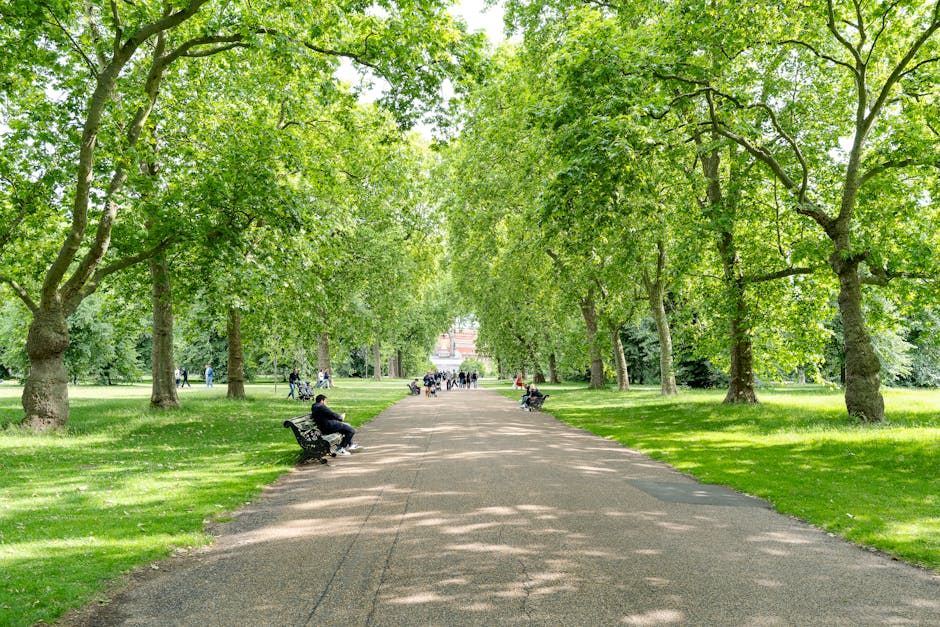
Common access problems for North Kensington gardeners
If you have ever tried to move a mower through a narrow side gate, carry compost up a flight of steps, or turn a wheelbarrow in a tiny courtyard, you already know the core issue behind Common access problems for North Kensington gardeners. In this part of London, gardens are often tucked behind terraces, split across levels, or squeezed between homes, and that changes everything about how work gets done. It is rarely about gardening skill alone. More often, the real challenge is simply getting people, tools, and materials to the right place without damage, delay, or a lot of awkward manoeuvring.
This guide breaks down the access problems you are most likely to face, why they matter, and what practical steps make the whole job smoother. Whether you are planning a one-off tidy-up or a bigger project, the goal is the same: fewer surprises, safer work, and a result that actually makes sense for the space you have.
Why Common access problems for North Kensington gardeners Matters
Access sounds like a small logistical detail. In reality, it can shape the whole outcome of a garden project. A hedge can be trimmed badly if tools cannot reach it cleanly. A patio clean may take much longer if water, pressure equipment, and waste removal need to be carried through a cramped entrance. Even a simple lawn mow can become an event if the mower must be lifted over steps or through a shared passage.
North Kensington includes many homes where rear access is not straightforward. You may have narrow alleyways, basement gardens, shared side returns, tall retaining walls, old gates that stick, or internal routes through the house. Sometimes the garden itself is fine, but the route to it is the part that causes grief. And let's be honest, nobody wants a freshly finished border scuffed by a dragged hose or a clipped fence panel scratched on the way in.
Good access planning matters because it protects three things: time, property, and the quality of the work. It also affects what can realistically be achieved in one visit. A team might be fully capable of carrying out regular garden maintenance, but if they need to keep shifting tools by hand through a difficult route, the job will take longer and cost more in labour. That is not a failure of the work itself. It is just the reality of working in tightly packed urban spaces.
There is also a safety side to it. Poor access can lead to trips, strained lifting, broken pots, damaged paving, or awkward encounters with neighbours in shared spaces. If access is planned well, the job feels calmer from the first five minutes. You will notice the difference straight away.
How Common access problems for North Kensington gardeners Works
Most access problems fall into one of a few patterns. The first is physical restriction: doors, gates, hallways, staircases, side passages, and tight corners simply do not give enough width or clearance for equipment and materials. The second is route complexity: getting from the street to the work area may involve more than one obstacle, such as steps, uneven surfaces, awkward turns, or shared entry points. The third is operational restriction: even when access exists, it may only be available at certain times because of neighbours, locks, parking limits, or building rules.
In practice, a gardener has to think in reverse. Instead of asking, "What needs doing in the garden?", they first ask, "How do we get there, and how do we get everything back out again?" That includes waste bags, branches, old soil, broken planters, and sometimes fairly bulky items like fence panels or decking materials. Access affects the whole chain, from arrival to tidy-up.
For example, a tree project may seem straightforward until you realise the only route to the back garden is a narrow passage beside a conservatory. Suddenly the workflow changes. A job involving tree surgery needs more careful staging, smaller loads, and extra protection for surfaces. A hedge trim may need ladder positioning that respects both the route in and the footprint once the team is inside. This is why good gardeners ask questions early. Not because they are being difficult. Because they have learned the hard way.
Another thing to remember is that access is not only about getting in. It is about working room. A garden can technically be reachable but still function like a bottleneck if there is no place to stage bags, tools, or cuttings. A tiny side return can become crowded very quickly. If you have ever tried to turn around with a wheelbarrow in a narrow strip and thought, "Well, this is ridiculous," you are in good company.
Common access issues seen in local gardens
- Narrow gates that do not fit larger tools or waste sacks easily
- Basement or lower-ground gardens reached by steep steps
- Shared passages with neighbours or rental properties
- Limited parking close to the property
- Restricted working hours because of flats, noise, or communal access
- Internal access through the house, which needs careful protection
- Heavy, awkward, or fragile items that are hard to carry safely
- Uneven paving, slippery decking, or tight turns near doorways
Key Benefits and Practical Advantages
When access is handled properly, the benefits are immediate and very practical. The job starts on time, finishes sooner, and usually feels less intrusive for everyone involved. That matters if you live in a busy street or share boundaries with neighbours who are already having their own day, thank you very much.
There is a noticeable difference in how efficiently different services can operate once access is sorted. A team carrying out lawn mowing can bring in the right mower size and avoid unnecessary lifting. A team doing patio cleaning can plan where hoses, water supply, and runoff will go without flooding a tight path. For heavier tasks, access planning may also influence whether a project is viable in one visit or whether it is smarter to split it into stages.
Here are the main advantages of solving access problems early:
- Less risk of damage to gates, paintwork, glass, paving, and planting
- Faster job flow because tools and materials can move without constant reshuffling
- Cleaner finish because there is less carrying back and forth through living areas
- Better pricing clarity since the time and logistics are understood upfront
- Safer working conditions for everyone on site
- More realistic planning for larger projects like landscaping or fencing
That last point matters a lot. If you are considering landscaping services or new hard features, access is not just a minor detail. It may determine the choice of materials, whether pre-assembled items can be carried through, and how much site preparation is needed before the work begins. Sometimes the best design is the one that respects the route in, not just the view from the patio door.
Expert summary: in North Kensington, access planning is not an administrative extra. It is part of the actual garden job. If you ignore it, you end up paying for the delay in time, stress, or repairs. If you handle it early, the whole project feels more controlled and less messy.
Who This Is For and When It Makes Sense
This topic is relevant to almost anyone with a garden in the area, but some people feel it more sharply than others. If you live in a terraced property, a converted building, a maisonette with a lower-ground garden, or a home with shared rear access, you are probably already nodding along. Access also matters if your garden contains delicate surfaces, mature planting, or a layout that looks simple from the house but turns complicated as soon as a wheelbarrow enters the picture.
It is especially worth thinking about access if you are:
- Booking a one-off garden tidy or seasonal clear-up
- Arranging recurring gardening services
- Planning hedge work, tree work, or boundary repairs
- Installing or replacing fencing, decking, or hard landscaping
- Trying to keep disruption low because you work from home
- Managing a shared or rental property where neighbours need consideration
There is also a budget angle. If the access route is tricky, a provider may need more time, more staff, or different equipment. That does not automatically mean the job becomes expensive, but it does mean the quote should be based on the real conditions, not a best-case assumption. Honestly, it is better to hear that early than to discover it halfway through the appointment when everyone is already carrying bags through the kitchen.
For some smaller spaces, access problems are closely tied to the design itself. If a garden is more courtyard than lawn, then services that reduce bulk and simplify maintenance may make more sense. A good example is choosing layouts and planting that support low-fuss upkeep, such as ideas from container gardening or vertical planting. That kind of thinking can reduce future access pressure as well. Less bulk in the garden means less bulk moving through it.
Step-by-Step Guidance
If you want a project to run smoothly, take access seriously before the work day arrives. The following process is simple, but it saves a surprising amount of hassle.
- Walk the route as if you were carrying equipment. Start at the street and physically follow the path to the work area. Notice tight turns, steps, low rails, overhanging branches, and any point where you would hesitate with a full bag in your hands.
- Measure the narrowest points. Gate width, corridor width, step depth, and doorway clearances all matter. Even a few centimetres can change what tools are practical.
- Identify what needs to move in and out. Think about mowers, bags of waste, compost, replacement plants, soil, timber, and water equipment. If a job involves larger items, note that early.
- Check surface conditions. Slippery decking, fragile tiles, soft ground, and loose slabs can all make access slower and riskier.
- Work out where materials will be staged. Is there space for a temporary pile of cuttings? Can tools be stored safely without blocking the route?
- Choose the best timing. Some properties are easier to access when neighbours are not using shared passages or when parking is less busy.
- Share the access details clearly. The more honest and specific you are, the more accurately the job can be planned.
A small but useful habit: take a few photos of the route, gate, and garden entrance. It takes one minute and can prevent a lot of back-and-forth later. Not glamorous, but very effective. If a job involves bigger site work, you can also discuss how access affects fencing installations or other materials that arrive in sections rather than loose bags.
For more demanding jobs, ask whether the work can be broken into phases. For example, waste removal may happen first, then pruning, then the main tidy-up. That kind of sequencing is often better than trying to do everything at once in a cramped space. It keeps the route clearer and reduces the feeling that the garden has been turned into a storage depot for an afternoon.
Expert Tips for Better Results
Over time, a few patterns become obvious. The people who have the smoothest garden jobs are usually not the ones with the easiest properties. They are the ones who prepare well.
Here are the tips that tend to make the biggest difference:
- Keep access points decluttered. Move bins, bikes, furniture, and plant pots before the team arrives.
- Protect the route. Put down boards, covers, or old mats if delicate floors or indoor routes are involved.
- Think about waste on the way out. The return journey is often harder than the arrival because the team is carrying heavier, dirtier loads.
- Pick the right tools for tight spaces. Compact equipment can be a lot smarter than oversized kit for urban gardens.
- Ask about noise and timing. If access is shared, a quiet start can reduce friction with neighbours.
- Plan for weather. A wet morning can turn a narrow passage into a slippery headache, especially in London where the drizzle sometimes appears out of nowhere.
Another practical point: if access is very limited, it can help to choose maintenance methods that reduce bulk over time. Regular trimming with hedge trimming keeps growth more manageable, while structured lawn care reduces the likelihood of doing a huge, disruptive rescue job later. Little and often is not exciting, but it works.
Short version: in a tight North Kensington garden, success usually comes from reducing carrying, reducing clutter, and reducing surprises. That is the whole game, really.
Common Mistakes to Avoid
Some access problems are unavoidable. Others are self-inflicted. The good news is that most of them are easy to avoid once you know what to look for.
- Assuming the garden entrance is "fine". A gate may look usable until someone tries to pass a mower, a branch bundle, or a full bag of waste through it.
- Forgetting the return route. You have to get waste out as well as tools in.
- Not mentioning shared access. If a side passage is communal, the job may need different timing and more care.
- Ignoring height as well as width. Low arches, canopies, and overhangs can matter just as much as narrow gaps.
- Leaving fragile items in the path. Pots, ornaments, and furniture can easily be bumped when people are carrying awkward loads.
- Underestimating the impact of weather. Damp paving and muddy narrow tracks can make simple movements awkward.
- Booking a bigger project without checking material delivery access. Materials may be the real bottleneck, not the work itself.
A mistake we see quite often is overfilling the garden with materials before the job starts. It sounds efficient, but in a compact space it can box everyone in. Then the team is stepping around bags, the route narrows further, and the work slows down. Funny how "getting ahead" can turn into getting in the way.
Another one: forgetting that access can change after a season of growth. A hedge that was easy to walk past in spring may block a side route by midsummer. If you want to understand that better, a look at hedge trimming shapes and methods can be useful because shape affects both appearance and movement through the garden.
Tools, Resources and Recommendations
You do not need specialist gear to think clearly about access, but a few practical tools help a lot. A tape measure is obvious, though often forgotten. A phone camera is nearly as useful. A notepad, a rough sketch of the garden, and a list of fixed obstacles can save time too.
If you are preparing for a larger job, these are worth considering:
- Measuring tape for gates, doors, and passage widths
- Phone photos of the route, obstacles, and storage points
- Protective coverings for indoor routes, decking, and delicate paving
- Compact waste containers or bags to avoid overloading one awkward lift
- Temporary floor boards or mats where repeated foot traffic could mark surfaces
- Basic site sketch showing entry points, steps, and staging space
There are also some useful project types to think about in relation to access. If a space is difficult to maintain, simplifying the design can help in the long run. For example, maximizing space with vertical gardening may reduce the footprint of planting and make movement easier. If privacy is part of the brief, a well-chosen hedge can often be more practical than a bulky structure, which is where fast-growing hedge options can support both screening and usability.
For homeowners thinking about future-proofing the garden, resources on seasonal resilience can also be helpful. Access becomes much harder when winter debris, broken surfaces, or storm damage are left unchecked. That is why content such as fortifying your garden against extreme weather is relevant even though it is not purely about access. Bad weather and bad access often arrive together. annoyingly so.
Law, Compliance, Standards, or Best Practice
This topic is mostly practical rather than heavily regulated, but best practice still matters. In shared spaces, you should be mindful of neighbour access, property boundaries, and any building rules that affect how work is carried out. If a route passes through communal areas, it is sensible to plan respectfully and avoid blocking entrances for longer than necessary.
For work that involves ladders, powered equipment, heavy lifting, or tree operations, reputable providers generally follow sensible safety procedures and carry suitable insurance. You do not need to turn the booking into a legal seminar, but you should feel comfortable asking how access is managed safely. That includes how tools are transported, how waste is handled, and how the route is protected from damage.
In the UK, good practice also means being realistic about noise, neighbour disruption, and waste removal. If access problems affect where materials can be stored or how cuttings are moved, that should be reflected in the plan from the start. It is far better to be clear than to improvise on the day.
If a garden includes pets or children, access planning should also protect them. Routes should not be left open with tools, sharp debris, or unsecured materials in the way. That is especially true where the garden is used as a daily play space. A bit of caution goes a long way, and it is one of those things people only notice when it goes wrong. Best not to find out the hard way.
Options, Methods, or Comparison Table
Not every access problem needs the same answer. Sometimes the right approach is better scheduling. Sometimes it is smaller equipment. Sometimes it is simply removing clutter and protecting the route. Here is a straightforward comparison to help with decisions.
| Access approach | Best for | Strengths | Trade-offs |
|---|---|---|---|
| Clear the route and work as normal | Moderate access with a few obstacles | Simple, low cost, fast to organise | Not suitable for very tight spaces |
| Use compact tools and smaller loads | Narrow gates, steep steps, courtyard gardens | Safer, more controlled, less surface damage | May take longer than using standard equipment |
| Stage the work in phases | Projects with waste, heavy materials, or multiple tasks | Reduces congestion and confusion | Requires more planning and sometimes more visits |
| Protect internal routes thoroughly | Access through hallways or homes | Preserves floors and finishes | Extra preparation before work begins |
| Redesign the space for easier movement | Long-term problem gardens | Improves maintenance for years to come | Higher upfront effort and decision-making |
As a rule of thumb, short-term access issues can usually be managed with organisation. Long-term access issues often need design changes. If a garden is awkward every single time someone touches it, the problem may not be the job. It may be the layout. In those cases, landscaping can be the right route, especially if you want to improve movement, storage, and the usable shape of the space at the same time.
Case Study or Real-World Example
Here is a realistic example from the kind of garden situation that comes up often in North Kensington.
A homeowner in a terraced property wanted a tidy-up, hedge reduction, waste removal, and a small patio refresh. The garden itself was perfectly workable, but access ran through a narrow side route with one tight corner and a step down into the rear space. On paper, nothing looked dramatic. In practice, everything had to be carried carefully, and the waste pile was going to build up quickly if it was not managed properly.
The first improvement was simple: the route was cleared before the team arrived. Bikes, plant trays, and a small table that had been sitting near the gate were moved out of the way. The second was staging. Instead of letting cuttings spread across the whole garden, the work was broken into zones. Hedge material was bagged in smaller loads, and the patio area was cleaned after the bulkier work was finished so the route stayed cleaner for longer.
The result was not just a better-looking space. The whole day felt calmer. The client was less stressed, the team had fewer obstacles, and there was far less risk of scuffing the path or blocking the shared entrance. That is usually what good access planning delivers: not drama, just a smoother day. And in a dense urban setting, smooth is excellent.
It also made the next visit easier. Once the team understood the route, future maintenance became much simpler because they already knew what to expect. That is a quiet benefit people overlook. Once access is mapped out properly, the garden is easier to keep in shape, not just easier to fix once.
Practical Checklist
Use this before any gardening job where access might be tight.
- Measure gates, paths, steps, and doorways
- Check whether the route is shared or private
- Remove bins, furniture, bikes, and loose pots
- Identify the heaviest or bulkiest item that needs to move
- Look for low branches, hanging signs, and awkward overhangs
- Make sure lighting is adequate if the route will be used early or late
- Protect indoor floors if tools or waste must pass through the house
- Confirm where waste will be stacked before removal
- Think about wet weather and slippery surfaces
- Share photos of the access route if asked
- Allow a bit of breathing room in the schedule
- Plan for the return journey, not just the arrival
If you tick most of those boxes, you are already ahead of the game.
Conclusion
Common access problems for North Kensington gardeners are rarely about one huge obstacle. More often, they are a chain of small things: a narrow gate here, a steep step there, a shared passage, a bit of clutter, a route that looks fine until someone has to carry a sack of cuttings through it. The good news is that these problems are manageable when they are identified early and handled with a bit of common sense.
Whether you are arranging routine upkeep, hedge cutting, a patio clean, or a bigger garden transformation, access planning helps the work go faster, safer, and with less stress on everyone involved. It also tends to produce better results because the team can focus on the garden itself instead of wrestling with the route in and out. Simple, really. But not always easy, which is why it deserves attention.
If your garden feels awkward to reach, that does not mean it is a problem garden. It just means it needs the right approach. And once that is in place, even a tight urban space can feel surprisingly workable.
Get a free quote today and see how much you can save.
Frequently Asked Questions
What are the most common access problems for North Kensington gardens?
The most common issues are narrow gates, steep steps, shared side passages, limited parking, and routes that force tools or waste through tight spaces. In some gardens, the route is more difficult than the work area itself.
Why does access matter so much for garden maintenance?
Access affects how quickly a job can be done, how safely tools can be moved, and whether delicate surfaces are protected. Poor access can also increase labour time and make waste removal harder.
Can gardening work still be done if the garden only has very narrow access?
Yes, usually. The approach may need to change, though. Smaller tools, phased work, careful staging, and extra protection for surfaces often solve the problem well enough.
Should I measure my gate before booking garden work?
Yes. Measuring the narrowest point is one of the easiest ways to avoid surprises. A few centimetres can decide whether larger equipment fits comfortably or not.
Do access problems make garden jobs more expensive?
They can, because difficult access may require more time, more care, or different equipment. That said, clear planning can keep costs more predictable and may prevent avoidable delays.
What should I tell a gardener about access before the visit?
Tell them about gates, steps, shared passages, parking limits, indoor routes, fragile surfaces, and any items that need moving. Photos help too. A quick walk-through is even better.
Is it better to clear the garden myself before the team arrives?
Usually yes. Removing bikes, bins, loose furniture, and clutter from the route makes the work smoother and safer. Just avoid overpacking the garden with temporary piles.
What if garden access goes through my house?
That can be managed, but it needs more care. Floors should be protected, movement should be controlled, and the route should be kept as clean as possible during the job.
Do access issues affect larger jobs like fencing or landscaping more than simple maintenance?
Usually, yes. Bigger projects involve bulkier materials and more staged work, so access becomes a bigger part of the planning. Good access handling is especially important for fencing and landscaping.
Can access problems be fixed permanently?
Sometimes. Minor fixes include better gate clearance, smarter storage, or route protection. Bigger fixes may involve redesigning parts of the garden so movement is easier in the long term.
What is the best way to reduce access problems over time?
Keep routes clear, maintain hedges and borders regularly, avoid overfilling the garden with bulky items, and choose layouts that support easy movement. Little and often works well here.
Should I worry about neighbours if access is shared?
Yes, in the sense that courtesy matters. Shared access should be planned with respect for other users, especially if people need to pass through while work is taking place.
What services are most useful when access is difficult?
Regular garden maintenance, lawn care, hedge trimming, patio cleaning, and thoughtful landscaping are often the most useful because they can be planned around the space rather than forced through it.
When should I ask for help with access planning?
Ask as early as possible, ideally before the visit is booked. The earlier access is discussed, the easier it is to choose the right tools, timing, and work approach.
And that is really the heart of it: in a place like North Kensington, access is part of the garden story. Get it right, and everything else tends to fall into place a bit more gracefully.